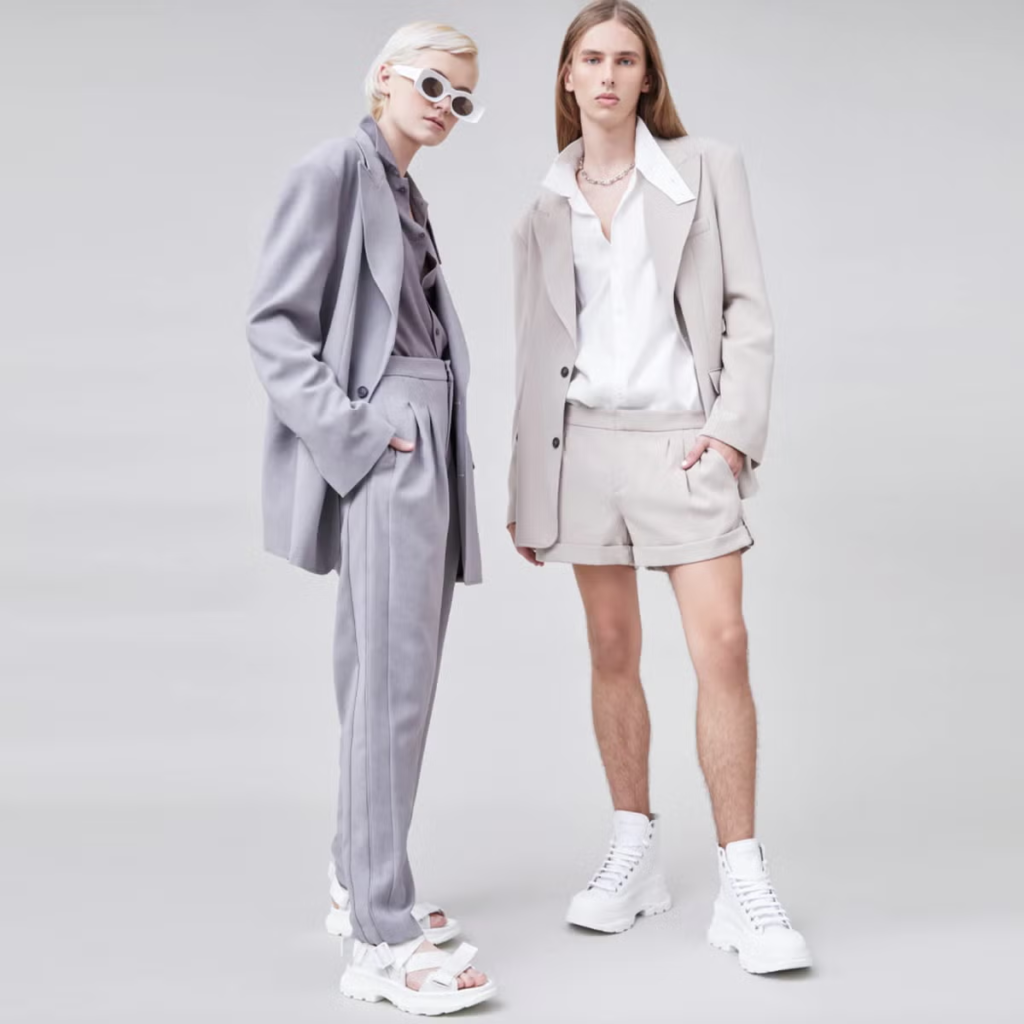

Fashion insiders widely agree that 2026 will mark the mainstream arrival of “lazy dressing”—a movement defined by ease, comfort, and intentional effortlessness. Far from sloppy, lazy dressing reflects cultural burnout, post-pandemic lifestyle changes, Gen Z values, and the rise of quiet luxury. It prioritizes repeatable outfits, relaxed silhouettes, and emotional comfort over visible effort or trend-chasing.
Introduction: Why “Lazy Dressing” Is Suddenly the Most Talked-About Fashion Shift
For decades, fashion rewarded effort.
You were expected to:
- Look polished
- Follow trends
- Dress for optics
- Appear “put together” at all times
Effort wasn’t optional—it was the point.
But as 2026 approaches, fashion insiders are using a word that once would have been an insult: lazy.
Designers, editors, stylists, buyers, and trend forecasters are all saying the same thing:
The future of fashion isn’t louder, bolder, or more complex. It’s easier.
This article breaks down why 2026 is poised to become the year of lazy dressing, what lazy dressing actually means, how it’s already reshaping American fashion, and how you can adapt without looking careless or underdressed.
What Is “Lazy Dressing” (And What It Is Not)
Let’s clear up the biggest misconception immediately.
Lazy dressing does not mean:
- Sloppy outfits
- Pajamas everywhere
- Not caring about appearance
Lazy dressing does mean:
- Minimal effort for maximum comfort
- Repeatable outfit formulas
- Clothes that work without styling tricks
- Dressing that supports real life, not performance
It’s about reducing friction, not lowering standards.
Why Are Americans Searching: “What Is Lazy Dressing?”
Across the U.S., search queries around fashion in 2025–2026 reveal a pattern:
- “Why is fashion getting more casual?”
- “Is effortless style in?”
- “What will people wear in 2026?”
- “Why do outfits look simpler now?”
People are noticing that:
- Street style looks calmer
- Workwear looks relaxed
- Runways feel quieter
- Fashion advice emphasizes ease
Lazy dressing gives language to what people are already seeing—and wearing.
The Cultural Burnout That Made Lazy Dressing Inevitable
Lazy dressing didn’t appear overnight. It’s the result of long-term cultural exhaustion.
1. Fashion Became Labor
Social media turned outfits into content.
For years, dressing meant:
- Creating looks for photos
- Keeping up with micro-trends
- Buying constantly
- Performing taste
Fashion stopped being personal and started feeling like work.
People burned out.
2. The Pandemic Reset Expectations Permanently
When Americans stopped leaving home daily, many realized something uncomfortable:
They didn’t miss uncomfortable clothes.
During that period:
- Productivity didn’t collapse
- Confidence didn’t disappear
- Comfort became normal
When offices and social life returned, many refused to give that up.
Lazy dressing became a boundary.
3. Gen Z Redefined Fashion Values
Gen Z didn’t reject fashion—they rejected fashion rules.
This generation prioritizes:
- Mental health
- Authenticity
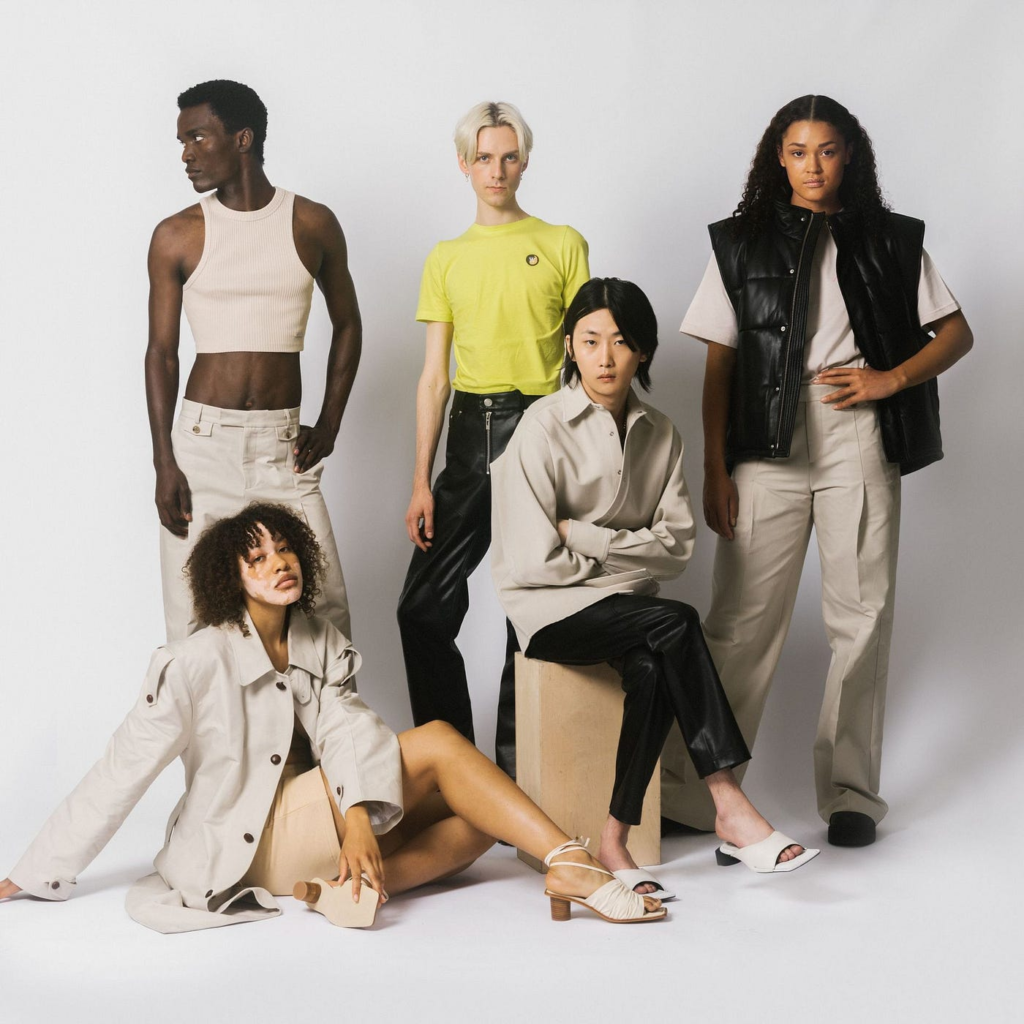
- Gender fluidity
- Emotional comfort
For Gen Z, visible effort often reads as insecurity. Ease reads as confidence.
As Gen Z becomes the dominant cultural force, lazy dressing moves from niche to mainstream.
Why Fashion Insiders Say 2026 Is the Tipping Point
Fashion insiders don’t rely on vibes—they rely on signals.
Across runways, showrooms, and buying floors, the same indicators keep appearing:
- Softer silhouettes
- Elasticated waists
- Slouchy tailoring
- Styling that looks almost unfinished
Designers are creating clothes that don’t require effort to look right.
That’s not accidental. It’s strategic.
How Runways Are Already Reflecting Lazy Dressing
You won’t see the word “lazy” in lookbooks—but you’ll feel it.
Recent collections emphasize:
- Loose tailoring instead of rigid structure
- Knit fabrics replacing stiff weaves
- Layering designed for comfort, not drama
- Pieces that move naturally with the body
The clothes aren’t boring. They’re forgiving.
The Quiet Luxury Effect on Lazy Dressing
Quiet luxury didn’t invent lazy dressing—but it made it socially acceptable.
By removing logos and visual noise, quiet luxury shifted focus to:
- Fabric quality
- Fit
- Longevity
Brands like The Row and Totême proved that you don’t need polish or spectacle to look expensive.
Lazy dressing is quiet luxury’s everyday expression.
Is Lazy Dressing Just Being Under-Dressed?
This is one of the most common concerns.
The answer: No—if done correctly.
Lazy dressing still requires:
- Proper fit
- Clean, intentional pieces
- Thoughtful color palettes
The difference is that the effort is front-loaded into buying the right clothes—not daily styling.
Why High-Effort Fashion Now Feels Outdated
Culturally, Americans are rejecting visible struggle.
This applies to:
- Hustle culture
- Over-polished beauty
- Excess productivity
- Performative fashion
High-effort dressing increasingly signals:
- Overcompensation
- Insecurity
- Outdated values
Lazy dressing signals calm and control.
The Psychology Behind Lazy Dressing
Behavioral researchers note that people subconsciously associate:
- Ease with confidence
- Simplicity with authority
- Comfort with authenticity
When clothes don’t demand attention, people feel safer and more grounded.
Fashion insiders view lazy dressing as an emotional response to overstimulation.
Real-Life Lazy Dressing in America Right Now
Lazy dressing is already everywhere:
- NYC professionals rotating the same neutral outfits weekly
- LA creatives living in relaxed trousers and knit tees
- College students mixing sweatpants with structured coats
- Tech workers wearing identical outfits for consistency
What once looked lazy now looks normal.
How Hybrid Work Accelerated Lazy Dressing
Workwear is no longer about visibility—it’s about output.
Hybrid schedules mean:
- Fewer dress codes
- Less daily scrutiny
- More autonomy
People dress for comfort and consistency, not approval.
Lazy dressing fits this reality perfectly.
Lazy Dressing vs. Athleisure: What’s the Difference?
Athleisure emphasized performance and sport.
Lazy dressing emphasizes:
- Ease
- Softness
- Emotional comfort
It’s not about looking athletic—it’s about feeling supported.
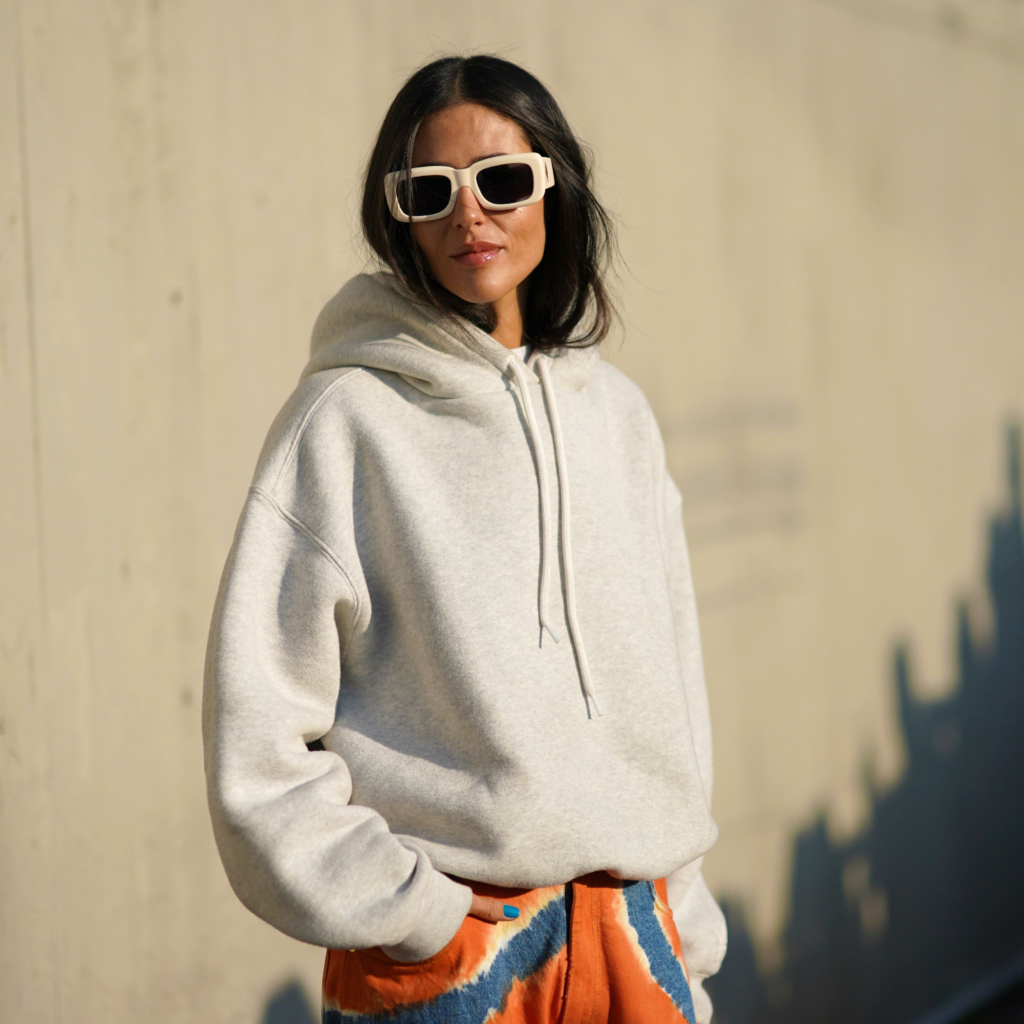
What Lazy Dressing Looks Like in Practice
Common elements include:
- Relaxed trousers instead of jeans
- Knit tops instead of stiff shirts
- Flat shoes instead of heels
- Neutral palettes instead of trends
Everything works together effortlessly.
Why Outfit Repetition Is No Longer a Fashion Sin
Lazy dressing embraces repetition.
Wearing the same outfit formula:
- Saves time
- Reduces stress
- Signals confidence
Fashion insiders increasingly praise consistency over novelty.
The Sustainability Bonus (Without the Guilt)
Lazy dressing naturally encourages:
- Fewer purchases
- Longer wear cycles
- Less trend-chasing
It aligns with sustainability—but without moral pressure.
That’s why it sticks.
Will Lazy Dressing Kill Fashion Trends?
No—but it will soften them.
Trends will:
- Integrate into basics
- Last longer
- Feel less urgent
Lazy dressing slows fashion instead of eliminating it.
How to Dress Lazy Without Looking Sloppy
This is critical.
Insider guidelines:
- Fit matters more than styling
- Neutral colors reduce effort
- Clean shoes elevate everything
- Quality fabrics do the work
Lazy dressing is curated ease, not neglect.
Why Some People Resist Lazy Dressing
Resistance usually comes from:
- Old dress codes
- Productivity guilt
- Fear of looking unprofessional
But norms are changing fast.
What once looked lazy now looks modern.
Why 2026 Will Be the Breakthrough Year
All forces align:
- Cultural burnout
- Generational influence
- Industry design shifts
- Consumer behavior changes
Fashion insiders aren’t predicting—they’re responding.
What Lazy Dressing Means for Your Closet
To prepare for 2026:
- Build repeatable outfits
- Invest in comfortable basics
- Stop chasing micro-trends
- Prioritize fit and fabric
Ease will outperform effort.
Frequently Asked Questions (Trending in the U.S.)
1. What is lazy dressing in fashion?
A style philosophy centered on comfort, ease, and minimal effort.
2. Is lazy dressing the same as sloppy dressing?
No—lazy dressing is intentional and well-fitted.
3. Why are fashion insiders promoting lazy dressing?
Because it reflects cultural, emotional, and lifestyle shifts.
4. Is lazy dressing just a pandemic trend?
No—it has evolved into a long-term movement.
5. Will lazy dressing dominate in 2026?
Fashion insiders strongly believe so.
6. Can lazy dressing look professional?
Yes, especially in modern workplaces.
7. Does lazy dressing mean owning fewer clothes?
Often, yes—quality over quantity.
8. Is lazy dressing gender-neutral?
Largely, yes.
9. How do I start lazy dressing?
Simplify outfits and prioritize comfort.
10. Will high-effort fashion return?
Not at the same scale.
Final Thought: Lazy Dressing Isn’t Giving Up — It’s Letting Go
Lazy dressing doesn’t mean you stopped caring.
It means you stopped performing.
In 2026, fashion isn’t about proving effort—it’s about protecting energy.
And that may be the most modern luxury of all.
–xxx–
Video Link-https://www.youtube.com/watch?v=IM6jI92euwM