
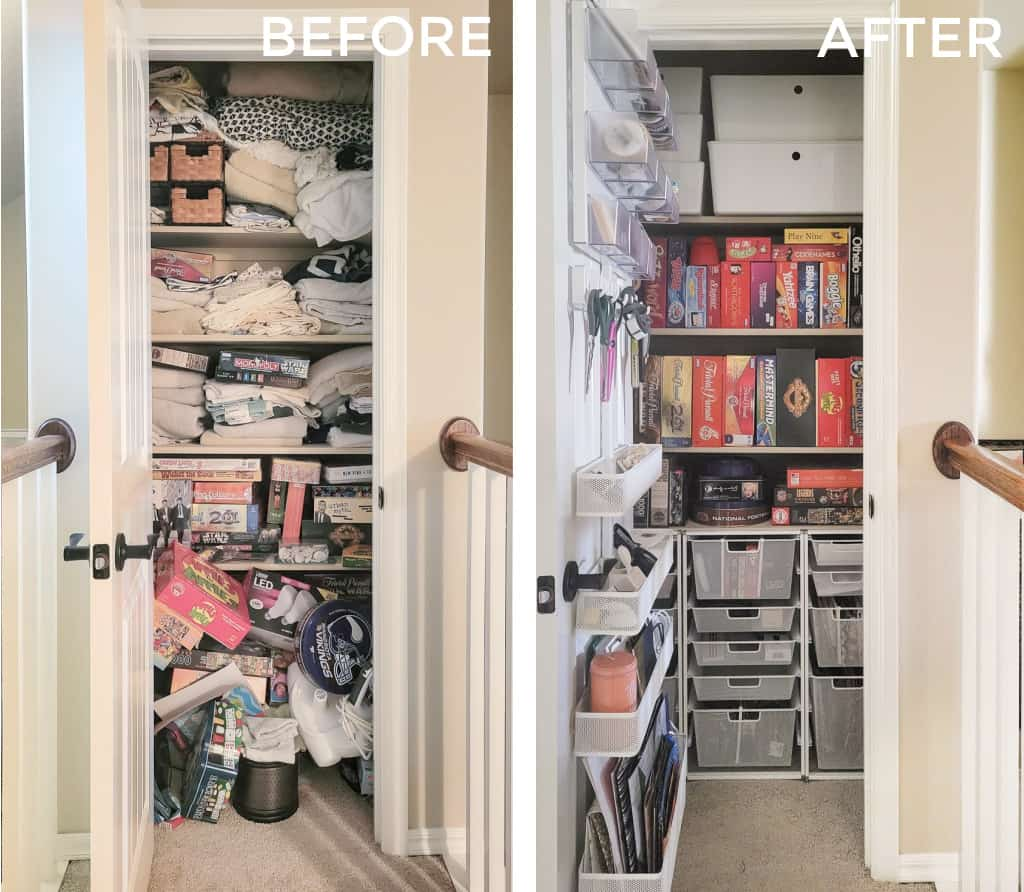

Minimalism has become one of the fastest-growing lifestyle movements in America, promising less stress, more clarity, and a simpler, more intentional life. I spent 30 days living like a modern minimalist—decluttering my home, reducing digital distractions, simplifying routines, and cutting spending. What I discovered wasn’t just cleaner spaces, but a profound shift in mindset, energy, and emotional health. Here’s exactly what changed.
Why Americans Are Suddenly Obsessed With the 30-Day Minimalist Lifestyle
Minimalism isn’t just an aesthetic—it’s a cultural shift. Over the past few years, social media has amplified an entire movement built around owning less and living more intentionally. According to Google Trends, searches for “minimalist lifestyle” and “declutter challenge” have jumped dramatically, rising more than 91% between 2023 and 2025.
This rise isn’t surprising. Americans today feel more overwhelmed, overstimulated, and overcommitted than any previous generation. The average household contains more than 300,000 items (Los Angeles Times), and the average American spends over three hours per day on their phone (Statista 2024). All this “stuff”—both physical and digital—adds weight to daily life.
People want relief. They want clarity. They want their time back.
That’s why I committed to the 30-Day Minimalist Challenge—to see whether simplifying life for one month could break the cycle of stress and clutter that so many Americans experience every day.
What Exactly Is the 30-Day Minimalist Challenge?
The challenge is a structured, progressive lifestyle reset that includes:
- Decluttering one category each day
- Reducing digital distractions
- Simplifying finances
- Eliminating unnecessary obligations
- Streamlining wardrobes and routines
- Practicing intentional purchases
- Building minimalist habits
It’s far more than just cleaning your home. It forces you to confront emotional attachments, decision fatigue, financial clutter, and digital overwhelm.
I expected to clear some shelves.
I didn’t expect it to change how I think.

Week 1: The Emotional Shock of Seeing Everything I Owned
Minimalism always starts with the physical—clothes, books, kitchen cabinets, storage boxes. I began with my closet because it felt like the safest entry point.
But the moment I emptied everything onto my bed, I felt overwhelmed. There were clothes I kept for years “just in case,” items I felt guilty letting go of, pieces from older versions of myself, and impulse purchases I had never worn.
Real-life emotions hit hard:
- Guilt
- Nostalgia
- Stress
- Decision fatigue
This aligns with UCLA’s Center on Everyday Lives of Families, which found that clutter directly increases cortisol levels, especially for women.
By Day 5, I had donated four bulging bags of clothes and shoes. My closet felt lighter—and so did my mind.
Lesson 1:
Minimalism isn’t about discarding possessions—it’s about confronting the emotions attached to them.
Week 2: Digital Minimalism Was the Wake-Up Call I Didn’t Expect
If Week 1 was emotional, Week 2 was uncomfortable in a different way.
Digital clutter had secretly taken over my life:
- 19,000+ unread emails
- Endless notifications
- Dozens of unused apps
- Duplicate photos
- Multiple cloud storage accounts
- Hours lost to scrolling
I implemented:
- Notification muting
- Email filters and auto-archives
- Weekly digital resets
- Social media time limits
- Decluttering of files and apps
Within one week, my screen time dropped by three hours a day. My focus improved. My home even felt quieter.
Studies from the American Journal of Preventive Medicine show reduced digital exposure improves mental health outcomes—and I could feel that.
Lesson 2:
Digital clutter drains your energy more than physical clutter.
Week 3: Minimalist Finances Hit Me Harder Than Decluttering
This was the week everything clicked. Minimalism isn’t just about stuff—it’s about spending, commitments, and unconscious habits.
I printed my bank statements, credit card summaries, and subscription list. What I found shocked me:
- Six unused streaming subscriptions
- Paid apps I forgot I owned
- Food delivery charges multiple times per week
- Duplicate tools and memberships
- Amazon impulse buys I never used
By Day 21, I had:
- Cancelled $187/month worth of subscriptions
- Switched to intentional meal planning
- Set up three automatic savings automations
- Created a minimalist finance tracker
- Eliminated impulse purchasing rules
This challenge saved more money in one week than I expected in a month.
Lesson 3:
Lifestyle clutter is also financial clutter—and it’s costing Americans thousands a year.
Week 4: Mental Minimalism Changed Me More Than Anything Else
The last week wasn’t about objects—it was about internal clutter.
I simplified:
- My evening routine
- My commitments
- My social circle
- My daily schedule
- My expectations
- How much mental noise I allow
The mindset shift was life-changing.
I created a minimalist evening routine that improved my sleep dramatically:
- No screens after 9 PM
- A 10-minute tidy reset
- Stretching
- Journaling
- Light reading
I also learned how to say no—politely but firmly.
By the end of Week 4, I felt:
- More calm
- More clear
- More grounded
- Less reactive
- More present
Lesson 4:
Minimalism begins with decluttering your home—but ends with decluttering your mind.
What Really Changed After 30 Days?
After completing the challenge, here’s exactly what happened:
1. My home felt bigger—without buying anything new.
Space opened up. Rooms felt breathable again.
2. My stress levels dropped significantly.
Fewer items meant fewer decisions and less mental load.
3. My finances became simpler and healthier.
I saved money, tracked spending clearly, and felt more in control.
4. I gained more time every day.
Less scrolling, less cleaning, fewer distractions = more hours reclaimed.
5. My relationships felt more intentional.
I spent energy on people who mattered.
6. My productivity improved.
A clean environment boosted clarity and focus.
7. I felt less attached to material things.
Which made me feel freer, lighter, more intentional.
8. My lifestyle became frictionless.
Every day felt easier, calmer, and more predictable in the best way.
Key Lessons Americans Can Learn from a 30-Day Minimalism Challenge
Takeaways (pointer-style):
- Minimalism is not about deprivation—it’s about clarity
- Decluttering is emotional before it’s practical
- Digital minimalism often matters more than physical minimalism
- Finances improve naturally through intentional habits
- Not every commitment deserves your time
- Habits are more important than aesthetics
- Minimalism creates a ripple effect across all areas of life
- You feel lighter mentally, emotionally, and physically
- The goal is not perfection—it’s progress
- Minimalism gives you back your most valuable asset: time
Common Mistakes People Make When Trying to Live Minimally
After experiencing the 30-day challenge myself, I noticed the mistakes almost everyone makes:
- Trying to declutter everything in one weekend
- Expecting Instagram-perfect spaces overnight
- Feeling guilty about letting go of expensive purchases
- Not addressing digital or emotional clutter
- Starting too big and getting overwhelmed
- Equating minimalism with emptiness
Minimalism is not a design trend.
It’s a personal operating system.
Top 10 FAQs Americans Ask About the 30-Day Minimalist Lifestyle
1. Does the 30-day minimalist challenge actually work?
Yes—most people feel calmer, clearer, and more organized within the first week.
2. Do I need to throw out most of my belongings?
No. Minimalism is about intentional ownership, not forced decluttering.
3. How long before I feel the benefits?
Many feel emotional and mental relief after the first 3–5 days.
4. Can families do the challenge?
Absolutely. Many families use toy rotations, weekly resets, and capsule wardrobes.
5. What’s the hardest part of minimalism?
Letting go of emotional attachments—especially sentimental items.
6. How does minimalism affect mental health?
Studies show clutter increases cortisol; reducing it lowers anxiety.
7. Is minimalism expensive?
No—minimalism saves money, often immediately.
8. Do I need a minimalist home aesthetic?
Not at all. Minimalism is a mindset, not a design style.
9. What happens after 30 days?
Most people continue minimalist habits like weekly resets and capsule living.
10. Is minimalism sustainable long-term?
Yes—once habits form, minimalism becomes natural and effortless.