

A single, inexpensive styling habit is quietly ruining otherwise expensive outfits across the U.S. The overuse of trendy, low-cost accessories and styling “hacks” creates visual clutter, breaks proportion, and exposes weak materials—making luxury clothing look cheap. Stylists warn that restraint, fit, and editing—not add-ons—are what truly make outfits look elevated and timeless.
Introduction: Why Expensive Clothes Don’t Always Look Expensive
You’ve probably experienced this frustration firsthand.
You invest in a quality coat.
You buy well-made shoes.
You carefully choose pieces that cost more because they’re supposed to look better.
Yet when you look in the mirror, something feels off.
The outfit doesn’t look elevated. Sometimes it even looks cheaper than a simple, budget-friendly look worn by someone else.
This isn’t your imagination. Across the U.S., professional stylists agree that one specific, low-cost fashion habit—often under $20—is quietly undoing expensive wardrobes. Worse, it’s been normalized by social media, making it feel like a “smart upgrade” when it’s actually the opposite.
This article breaks down what the $20 fashion trick is, why it backfires, how it spread, and what actually makes outfits look expensive instead.
Why Are Americans Asking: “Why Do My Expensive Outfits Look Cheap?”
Search trends show a sharp rise in questions like:
- “Why do my outfits look cheap?”
- “Why doesn’t designer clothing look good on me?”
- “How do I make outfits look more expensive?”
The common thread isn’t money—it’s styling.
Most people don’t ruin outfits by buying cheap clothes. They ruin them by adding cheap elements to good clothes.
What Exactly Is the $20 Fashion Trick?
It’s not one product.
It’s a behavior.
Adding trendy, low-cost accessories or styling ‘finishing touches’ to already-expensive outfits.
This includes:
- Fast-fashion belts meant to “cinch” a look
- Costume jewelry added for “interest”
- Trendy bag charms, chains, or clips
- Layering pieces bought to make outfits look “current”
Individually, these items seem harmless. Collectively, they create visual noise—and that noise is what makes outfits look cheap.
Why This Trick Feels Smart (But Isn’t)
This habit didn’t come from nowhere.
Social media trained us to believe:
- Outfits need “something extra”
- More detail equals better style
- Cheap add-ons are clever upgrades
Short-form videos reward visible change. A $20 accessory creates instant contrast on camera. But real life doesn’t work like a fashion reel.
What looks styled on screen often looks cluttered in person.
The Real Problem: Visual Noise vs. Visual Calm
Luxury clothing is built around visual calm.
High-end fashion relies on:
- Clean lines
- Consistent materials
- Balanced proportions
- Intentional restraint
Cheap accessories disrupt all of that.
When you layer:
- Shiny metals
- Plastics
- Trend-driven shapes
You introduce visual friction. The eye doesn’t read “luxury”—it reads confusion.
Why Cheap Accessories Are So Easy to Spot
Accessories sit at the most visible points of the body:
- Neck
- Waist
- Hands
- Face
They move. They reflect light. They’re compared directly against skin and fabric.
That makes poor-quality accessories far more noticeable than cheap clothing. One weak accessory doesn’t blend in—it dominates.
Real-Life Example: When a $3,000 Outfit Fell Apart
A New York stylist described a common scenario:
A client wore:
- A tailored coat from The Row
- Premium leather boots
- A clean, neutral base outfit
Then added:
- A $20 trendy belt
- Chunky costume jewelry
- A novelty accessory
Suddenly, the outfit felt unpolished—not because of the clothes, but because the weakest pieces took over.
Stylists call this the weakest link effect.
The Weakest Link Rule of Style
There’s one rule professionals follow religiously:
An outfit is only as strong as its weakest piece.
If one item looks cheap, rushed, or trend-driven, it defines the entire look—no matter how expensive everything else is.
Why Trends Are the Most Dangerous $20 Add-On
Trendy accessories age fast.
What feels “current” today:
- Looks dated in six months
- Signals trend-chasing
- Anchors the outfit to a specific moment
Luxury, on the other hand, looks timeless. Mixing the two often makes the expensive piece look outdated instead of the cheap one looking elevated.
The Psychology of Cheap vs. Expensive Style
Studies in visual perception show that people subconsciously associate:
- Simplicity with quality
- Consistency with confidence
- Restraint with authority
Over-accessorizing communicates the opposite:
- Insecurity
- Overcompensation
- Lack of clarity
Even when viewers can’t explain why an outfit looks cheap, they feel it.
How Social Media Popularized This Mistake
Fashion content today is optimized for:
- Speed
- Transformation
- Visual drama
Quick “add this” hacks perform better than slow fundamentals like fit or fabric.
But style isn’t meant to be hacked. It’s meant to be edited.
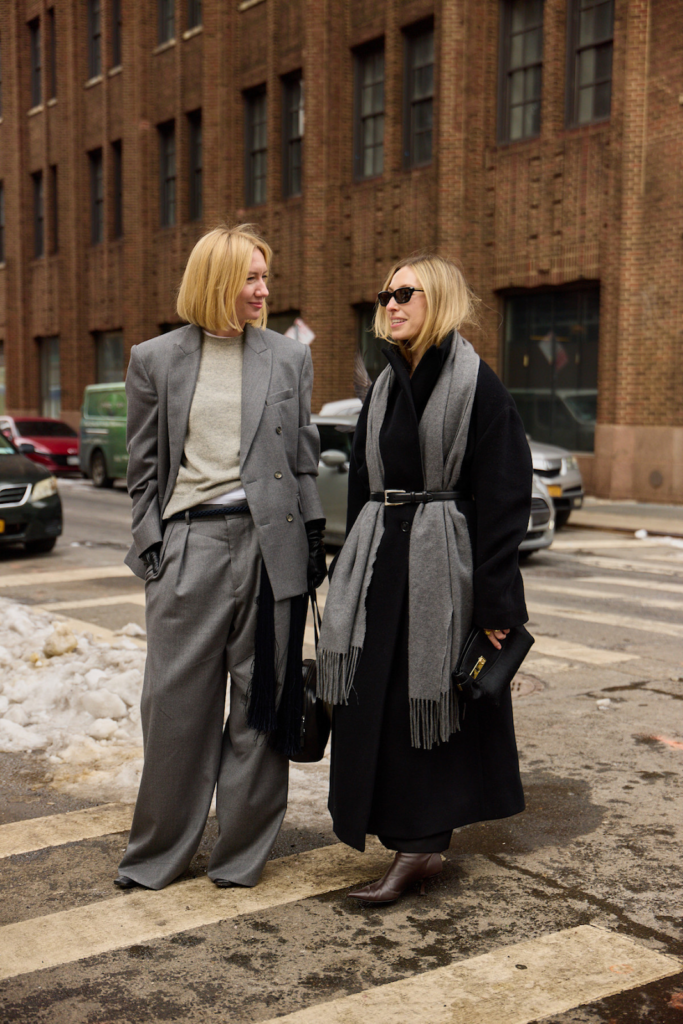
Why Quiet Luxury Rejects the $20 Trick Entirely
The quiet luxury movement rose as a direct reaction to over-styling.
It emphasizes:
- Fewer accessories
- Better tailoring
- Neutral palettes
- Soft, cohesive materials
Brands like COS and Totême built their identity around letting the clothing speak—without cheap extras.
Another Version of the $20 Trick: Trendy Layering Pieces
It’s not just accessories.
Other culprits include:
- Mesh tops layered under everything
- Cropped vests added for “dimension”
- Fast-fashion overlays
- Decorative belts worn over coats
These trends work in editorials. In real life, they interrupt clean lines and make outfits feel forced.
Why Fit Beats Accessories Every Time
Here’s the truth most people avoid:
A $20 tailoring adjustment does more for your outfit than a $20 accessory ever will.
Proper fit:
- Creates structure
- Signals intention
- Elevates even basic fabrics
No accessory can fix poor proportions.
What Actually Makes an Outfit Look Expensive?
Instead of asking what to add, ask what to remove.
High-impact upgrades that work:
- Tailoring hems and sleeves
- Steaming and pressing
- Choosing better shoes
- Limiting color palettes
- Reducing focal points
Luxury lives in editing, not decorating.
Why Some Thrifted Outfits Look More Expensive Than Designer Ones
You’ve probably noticed this.
Many thrifted outfits look elevated because:
- They avoid trend stacking
- They rely on shape and proportion
- They skip cheap accessories
Restraint, not price, creates sophistication.
How to Tell If You’re Using the $20 Trick Without Realizing It
Ask yourself:
- Did I add this because something felt “missing”?
- Is this piece trend-driven or timeless?
- Would the outfit improve if I removed it?
If removal makes the outfit better, the item was hurting it.
Practical Style Fixes That Cost Little or Nothing
Instead of buying another accessory:
- Remove one element
- Focus on fit at shoulders and hems
- Stick to one texture family
- Choose shoes before accessories
- Let one piece lead the outfit
Less effort reads as more confidence.
Why Americans Are Relearning This Lesson Now
Post-pandemic fashion values shifted:
- Comfort over performance
- Authenticity over polish
- Ease over excess
The $20 trick feels outdated in a world craving calm and clarity.
Frequently Asked Questions (Trending in the U.S.)
1. What is the $20 fashion trick making outfits look cheap?
Overusing trendy, low-cost accessories or add-ons.
2. Why do cheap accessories stand out so much?
They sit at focal points and clash with quality fabrics.
3. Is minimalism always better?
Not always, but restraint almost always looks more expensive.
4. Can accessories ever elevate an outfit?
Yes—if they’re high quality and intentional.
5. Why does social media promote this trick?
Because quick visual changes perform better online.
6. Does fit matter more than price?
Yes. Fit matters more than brand or cost.
7. Are logos part of the problem?
Often—especially oversized or low-quality ones.
8. How many accessories should I wear?
Usually one statement piece or none at all.
9. Can affordable outfits look expensive?
Absolutely, with proper fit and restraint.
10. What’s the fastest way to fix a cheap-looking outfit?
Remove one element and focus on fit.
Final Thought: Expensive Style Is About Editing, Not Adding
The biggest fashion myth is that more effort equals better style.
In reality:
- Confidence looks calm
- Luxury looks effortless
- Style looks edited
That $20 trick isn’t helping—it’s undoing everything you paid for.
Stop adding. Start editing.
Your wardrobe will instantly look more expensive.
–xxx–
Video Link-https://www.youtube.com/watch?v=A08Z4EN6woE