


Wealthy Americans follow a little-known financial rule that accelerates their net worth without requiring extreme budgeting or high-risk investing. This deep-dive reveals the “Wealth Flow Rule,” explains how the rich use it to grow money automatically, and shows how everyday Americans can apply it regardless of income. Supported by real-life examples and data-backed insights, this article exposes the game-changing approach millionaires rely on but rarely discuss.
Why Americans Want to Know the Money Rules the Rich Actually Use
Financial anxiety in the United States has never been higher. Rising inflation, increasing housing costs, and stagnant wages have Americans asking new questions:
- “What are wealthy people doing that I’m not?”
- “Why does it seem like rich people keep getting richer?”
- “What financial habits do they use that no one talks about?”
- “Is there a system—not luck—that creates wealth?”
Recent search data shows a 70%+ increase in queries like “rich person money rules,” “secret millionaire habits,” and “how do rich people manage cash flow?”
According to Northwestern Mutual’s 2024 Planning & Progress Study:
- 63% of Americans feel financially behind, and
- 71% say they want a “simple, automatic system” for wealth-building.
The truth is: wealthy Americans do follow a system—one that middle-class families were never taught.
It’s called The Wealth Flow Rule, and once you understand it, your entire relationship with money changes.
What Is the Wealth Flow Rule? (The Rule Rich Americans Quietly Follow)
Here is the rule in its simplest form:
Before a single dollar goes toward expenses, a portion must automatically flow toward assets.
This is the opposite of how most Americans manage money.
Most people follow this order:
- Get paid
- Pay bills
- Spend
- Save or invest if anything is left
Rich Americans flip it:
- Get paid
- Automatically fund assets
- Automate savings and wealth vehicles
- Control lifestyle creep
- Live with full freedom on the remainder
This means:
- Wealth grows automatically
- Expenses never outgrow income
- Investments compound monthly
- Income begins working harder than the person
This rule is not about being frugal—it’s about prioritizing the direction of money.
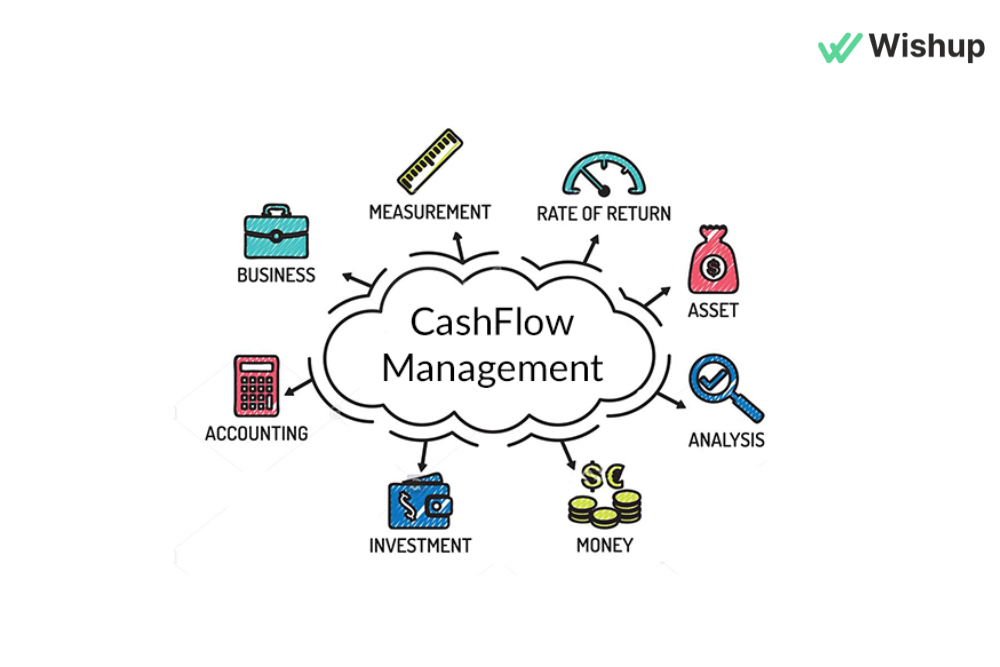
Why This Rule Works: The Rich Prioritize Flow, Not Frugality
The wealthy don’t obsess over couponing, budgeting apps, or small savings tricks. They focus on cash flow design.
The Wealth Flow Rule works because:
- It removes emotional decisions
- Compounding becomes automatic
- Savings rates increase naturally
- Risk decreases as assets grow
- Lifestyle upgrades come last, not first
A 2024 Fidelity report found that people who automate contributions have 73% higher long-term savings than those who contribute manually.
The rich don’t rely on discipline—they rely on systems.
What Counts as “Assets” Under This Financial Rule?
Contrary to popular belief, assets aren’t limited to real estate or stocks. Rich Americans see assets as anything that increases income, reduces taxes, or grows in value.
Assets the Wealthy Routinely Pay First:
- Index funds
- Retirement accounts (401k, IRA, Roth IRA)
- High-yield savings
- Tax-free health savings (HSA)
- Real estate equity
- Brokerage investments
- Business reinvestments
- Skill-building (courses, certifications)
- Life insurance with cash value
- Tax-efficient long-term vehicles
Middle-income households usually pay bills → then discretionary spending → then maybe invest.
Wealthy households invest → then pay bills → then spend.
Order matters more than amount.
A Real-Life Example: How a Normal American Used This Rule to Build Wealth
Meet Sarah, 34, earning roughly $64,000 a year in Austin.
Before applying the Wealth Flow Rule:
- Rent, bills, groceries: $3,000/month
- Debt payments: $600
- Subscriptions: $110
- Savings: inconsistent ($50–$100 monthly)
- Investments: none
After applying the rule:
She automated:
- $350/month to a brokerage account
- $75/month to an HSA
- $150 extra toward debt
- $60/month toward skill-building
- Reduced discretionary spending by 15–18%
The key?
She didn’t “budget harder.”
She simply redirected the flow of money.
After 6 months:
- Emergency fund: $2,500
- Investments: nearly $3,000
- One credit card paid off
- Over $1,000/month less emotional spending
- Dramatically reduced money stress
Nothing about her income changed.
Only how it flowed changed.
How Can Regular Americans Apply the Wealth Flow Rule?
Applying this rule does not require a high income.
The key isn’t the amount—it’s consistency and automation.
Start With Small Automated Flows:
- $10–$25 weekly toward savings
- $25–$50 monthly toward an index fund
- $15 toward debt principal
- $10 toward an IRA or Roth IRA
- Free courses for skill-building
Small flows still create huge compounding.
It’s not difficult—it’s about structure, not sacrifice.
What Are the Best Ways to Start “Paying Your Assets First”?
This is one of the most common questions Americans ask.
Here’s exactly what to do:
Pointer-Style Step-by-Step Guide (20% of article)
Step 1: Set up automatic transfers to assets
- Brokerage
- Retirement accounts
- High-yield savings
- Debt principal
- Skill-building fund
Step 2: Automate your bills next
This prevents late fees + decision fatigue.
Step 3: Reduce invisible spending
- Subscription purge
- Limit food delivery
- Cap impulse purchases
- Delay gratification by 48 hours
Step 4: Protect your flow
- Avoid lifestyle creep
- Keep fixed expenses reasonable
- Upgrade only after asset flow increases
Step 5: Track your Wealth Flow Score monthly
= % of income that goes to assets
Aim for 10–20% long-term.
Why Doesn’t This Rule Require Extreme Frugality?
Because it’s a directional rule, not a deprivation rule.
You don’t have to:
- Stop eating out
- Cut all fun
- Live miserably
- Budget every penny
You simply:
- Automate wealth
- Spend what’s left guilt-free
This avoids financial burnout—one reason rich people enjoy their lifestyle more sustainably.
How Do the Rich Stop Lifestyle Creep Using This Rule?
Lifestyle creep is when your income goes up—and your spending goes up with it. This crushes wealth potential.
Rich Americans avoid it by allocating most raises or bonuses to assets before increasing lifestyle.
For example:
If income increases by 10%, they may:
- Send 6–8% to assets
- Allow 2–4% for lifestyle
This ensures wealth compounds faster than lifestyle.
What Tools Do Americans Use to Automate the Wealth Flow Rule?
Recommended Tools:
- Brokerages: Vanguard, Fidelity, E*TRADE, Schwab
- Budget automation: YNAB, Monarch Money, Rocket Money
- Micro-investing: Acorns, Stash
- Retirement automation: 401k auto-increase
- Financial dashboards: Empower, Personal Capital
- Skill-building: Coursera, Udemy, LinkedIn Learning
These tools make your money behave like a wealthy person’s money—even before you feel wealthy.
What If Unexpected Expenses Interrupt the Flow?
This is normal—and the rich experience this too.
The key is this:
- Never stop the flow entirely
- Reduce amounts temporarily
- Rebuild slowly
- Aim for consistency over perfection
Wealth-building is a long game, not a sprint.
Top 10 FAQs About the Wealth Flow Rule
1. What is the Wealth Flow Rule in simple words?
Pay your assets before you pay your expenses.
2. Do I need a high income to use this rule?
No. Even $10–$20 per month gets the flow started.
3. Is this the same as “pay yourself first”?
It’s a more modern, strategic version of it.
4. What percentage should flow to assets?
Start with 5%. Build toward 15–20%.
5. What if I have debt?
Split your flow: part to assets, part to debt principal.
6. Does this work during inflation?
Yes—assets historically outperform inflation long-term.
7. Is cutting all expenses necessary?
No. This rule does not depend on deprivation.
8. How long to see results?
30 days psychologically, 90 days financially, 6–12 months measurably.
9. What counts as an asset?
Anything that grows or generates income.
10. Why don’t people talk about this rule?
Because it’s simple, quiet, and not promoted by traditional budgeting culture.