
Luxury fashion houses are slowly retreating from logo-heavy, maximalist branding—once their most profitable trend—while many shoppers continue buying into it. Behind the scenes, brands are prioritizing subtle design, craftsmanship, and longevity over loud visibility. This quiet shift reflects deeper cultural, economic, and status changes in the U.S. luxury market that most consumers haven’t fully noticed yet.
Introduction: Something Feels Different About Luxury Fashion
Walk into a luxury boutique in New York, Los Angeles, or Chicago today, and something feels noticeably calmer.
The walls are neutral.
The collections are quieter.
The logos are smaller—or missing entirely.
At the same time, shoppers are still lining up for bold monograms, recognizable prints, and statement accessories that dominated the last decade. This disconnect is not accidental. It’s the result of a slow, deliberate shift happening behind the scenes in luxury fashion.
Luxury brands are abandoning a trend that once defined them—but they’re doing it quietly, strategically, and ahead of consumer awareness.
That trend? Overt, logo-heavy, maximalist branding.
Why Are Americans Searching: “Are Luxury Brands Moving Away From Logos?”
Search interest around luxury fashion has shifted dramatically in the U.S. Over the last two years, Americans have increasingly searched questions like:
- “Are logos out of style now?”
- “Why does luxury fashion look simpler?”
- “What is quiet luxury?”
- “Are designer logos tacky now?”
These questions signal confusion—not rejection. Shoppers sense change, but they haven’t fully connected the dots.
Luxury brands, however, already have.
What Exactly Is the Trend Luxury Brands Are Abandoning?
The trend is logo-first luxury—designs where branding is the main feature rather than the craftsmanship.
This includes:
- Oversized monograms covering entire garments
- Repetitive logo prints
- Loud brand graphics as the focal point
- Accessories designed primarily for recognizability
For years, this approach dominated luxury, especially in the American market. It was profitable, scalable, and perfectly aligned with social media visibility.
But what once symbolized status is now starting to signal overexposure.
Why Logo-Heavy Luxury Worked So Well for So Long
To understand why luxury brands are stepping away from logos, you have to understand why they embraced them in the first place.
Logos solved multiple problems at once:
- They made luxury instantly recognizable
- They justified high price points
- They turned customers into mobile advertising
During the 2010s, brands like Gucci and Louis Vuitton experienced massive growth by leaning into maximalist branding. Logos thrived in the Instagram era, where visibility equaled value.
The louder the logo, the clearer the signal.
So Why Are Luxury Brands Pulling Back Now?
Because luxury depends on scarcity and mystique—and logos destroyed both.
When:
- Everyone owns the same belt
- The same bag floods social feeds
- The same print appears everywhere
Luxury loses its psychological power.
Industry insiders point to three major reasons for the shift:
- Market saturation – Logos became too common
- Consumer fatigue – Shoppers want longevity, not hype
- Cultural change – Status is no longer loudly performed
In short, logos stopped feeling exclusive.
Quiet Luxury Wasn’t a Trend — It Was a Signal
Quiet luxury didn’t appear out of nowhere. It emerged as a reaction.
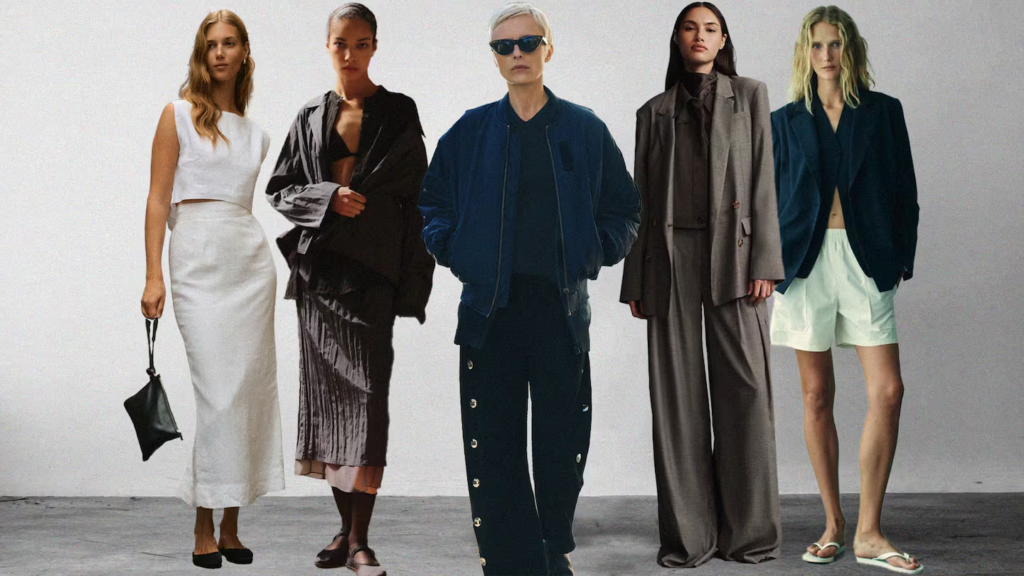
This movement emphasizes:
- Minimal or hidden branding
- Exceptional fabric quality
- Precise tailoring
- Timeless silhouettes
Brands such as The Row and Totême became cultural reference points not through marketing noise, but through restraint.
Luxury executives noticed. And they followed.
Why Shoppers Haven’t Caught On Yet
Despite this pivot, logo-heavy items are still selling well. Why?
Because consumers are often one trend cycle behind brands.
Shoppers buy what:
- They’ve been conditioned to recognize
- Still dominates advertising
- Feels “safe” and status-confirming
Meanwhile, brands quietly reposition themselves through:
- Runway collections
- High-end lines
- Campaign styling
By the time shoppers notice the change, the industry will already be elsewhere.
How Runway Collections Reveal the Truth First
Runways function as early indicators—not mass-market instructions.
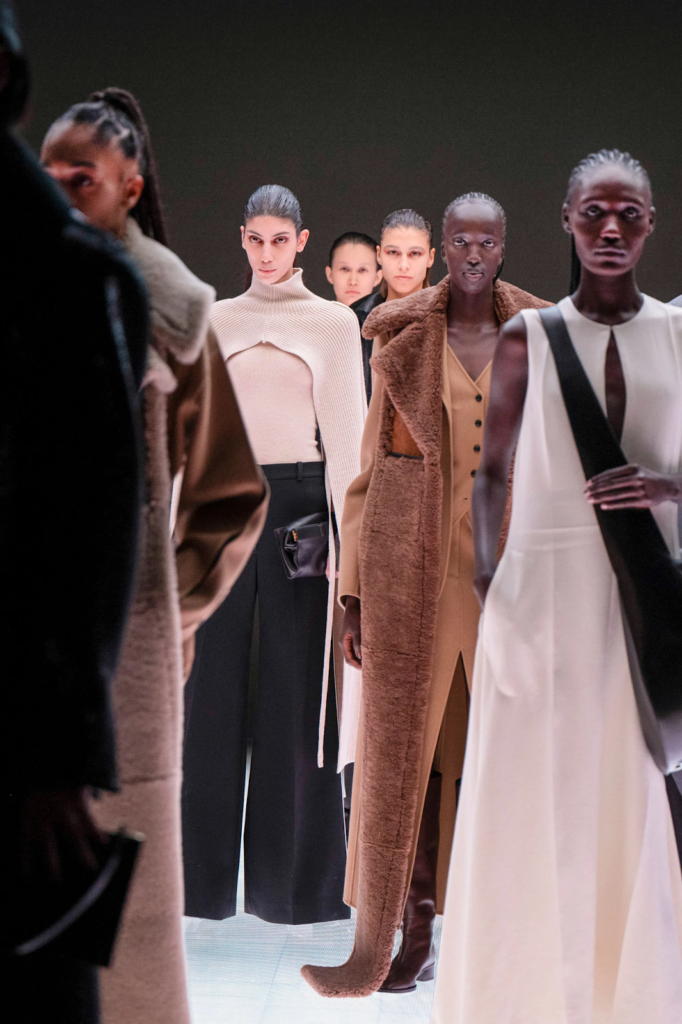
Recent seasons show:
- Smaller or hidden logos
- Tonal, monochrome collections
- Focus on shape, texture, and movement
Even traditionally bold houses have softened their visual language. What reaches stores months later often disguises this shift, but it’s already embedded in the design philosophy.
The Two-Tier Strategy Luxury Brands Are Using
Luxury brands are currently operating in two parallel worlds:
- Entry-level products: Logo-forward, recognizable, trend-driven
- High-end collections: Subtle, minimal, craftsmanship-focused
This strategy allows brands to:
- Maintain revenue from logo-driven demand
- Quietly rebuild brand prestige
They aren’t abandoning logos overnight. They’re downgrading their importance.
Why Logos Now Signal “Mass” Instead of “Elite”
Cultural perceptions of wealth have changed.
Today:
- Privacy is valuable
- Subtlety signals confidence
- Overexposure feels unsophisticated
In many elite circles, obvious branding now reads as trying too hard. True status has become harder to decode—and that’s exactly the point.
How Social Media Helped Kill the Logo
Social media accelerated logo fatigue unintentionally.
When:
- The same bags go viral repeatedly
- The same belts dominate feeds
- The same outfits appear everywhere
Luxury becomes algorithmic instead of aspirational.
Brands noticed—and adjusted accordingly.
The Economic Case Against Logo-Heavy Luxury
Luxury resale data shows a clear pattern:
- Minimal pieces retain value longer
- Logo-heavy items depreciate faster
- Timeless designs perform better long-term
High-net-worth shoppers increasingly prioritize:
- Craftsmanship
- Longevity
- Versatility
Luxury brands follow the money—and the money is moving quietly.
What Replaced Logos as the New Status Signal?
Luxury didn’t disappear—it evolved.
New markers of luxury include:
- Fabric quality
- Tailoring and fit
- Understated color palettes
- Brand recognition only insiders notice
It’s less about being seen and more about being understood.
Why This Shift Matters Specifically in the U.S.
American consumers historically embraced bold branding more than European markets.
But even in the U.S.:
- Younger luxury buyers favor subtlety
- Professionals prioritize versatility
- Post-pandemic shoppers reject excess
This explains why U.S. flagship stores feel calmer—even if marketing hasn’t fully caught up.
Should Shoppers Stop Buying Logo Pieces?
Not necessarily—but intentionality matters.
Ask yourself:
- Am I buying this for recognition or longevity?
- Will this feel dated in two years?
- Does the design rely on branding or construction?
Luxury that depends solely on logos rarely ages well.
How to Spot a Brand Quietly Abandoning Logos
Watch for these signals:
- Smaller branding placement
- Fewer logo repeats per season
- Neutral, minimal campaigns
- Emphasis on tailoring in lookbooks
Brands show you where they’re going—if you’re paying attention.
What This Shift Means for Your Closet
If you want to align with where luxury is heading:
- Invest in fit over branding
- Choose timeless silhouettes
- Focus on material quality
- Avoid trend-saturated logo pieces
Luxury is becoming quieter—but smarter.
Why This Change Won’t Be Reversed
Once luxury loses mystique, it can’t reclaim it through louder design.
The industry learned this lesson before—and it’s applying it again.
Logos won’t disappear entirely, but they will no longer define luxury’s future.
Frequently Asked Questions (Trending in the U.S.)
1. What trend are luxury brands abandoning?
Overt, logo-heavy, maximalist branding.
2. Are designer logos officially out of style?
Not entirely, but they are losing cultural prestige.
3. Why are luxury brands changing now?
To protect long-term brand value and exclusivity.
4. What exactly is quiet luxury?
An aesthetic focused on minimal branding and craftsmanship.
5. Are shoppers still buying logo items?
Yes, but brands are prioritizing subtle collections.
6. Does this shift affect resale value?
Yes—minimal pieces retain value better.
7. Is this change happening in the U.S.?
Yes, though slightly later than in Europe.
8. Will logo-heavy fashion ever return?
Possibly, but not at its previous dominance.
9. How can shoppers buy luxury more wisely?
Focus on fit, fabric, and timeless design.
10. Is loud luxury considered “cheap” now?
In many circles, yes—it signals overexposure.
Final Thought: Luxury Is Going Quiet Again
Luxury brands aren’t announcing this shift—because that would defeat the purpose.
They’re abandoning logos quietly because true luxury always moves ahead of mass taste.
By the time everyone catches on, the industry will already be somewhere else.